Printing Tips

flexible-banner-image

What is DTG?

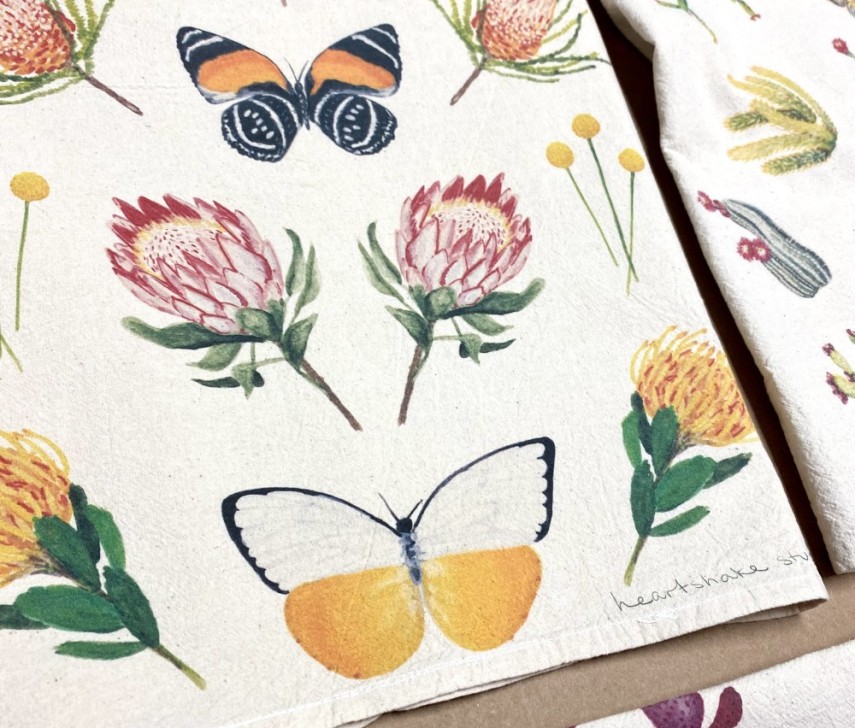
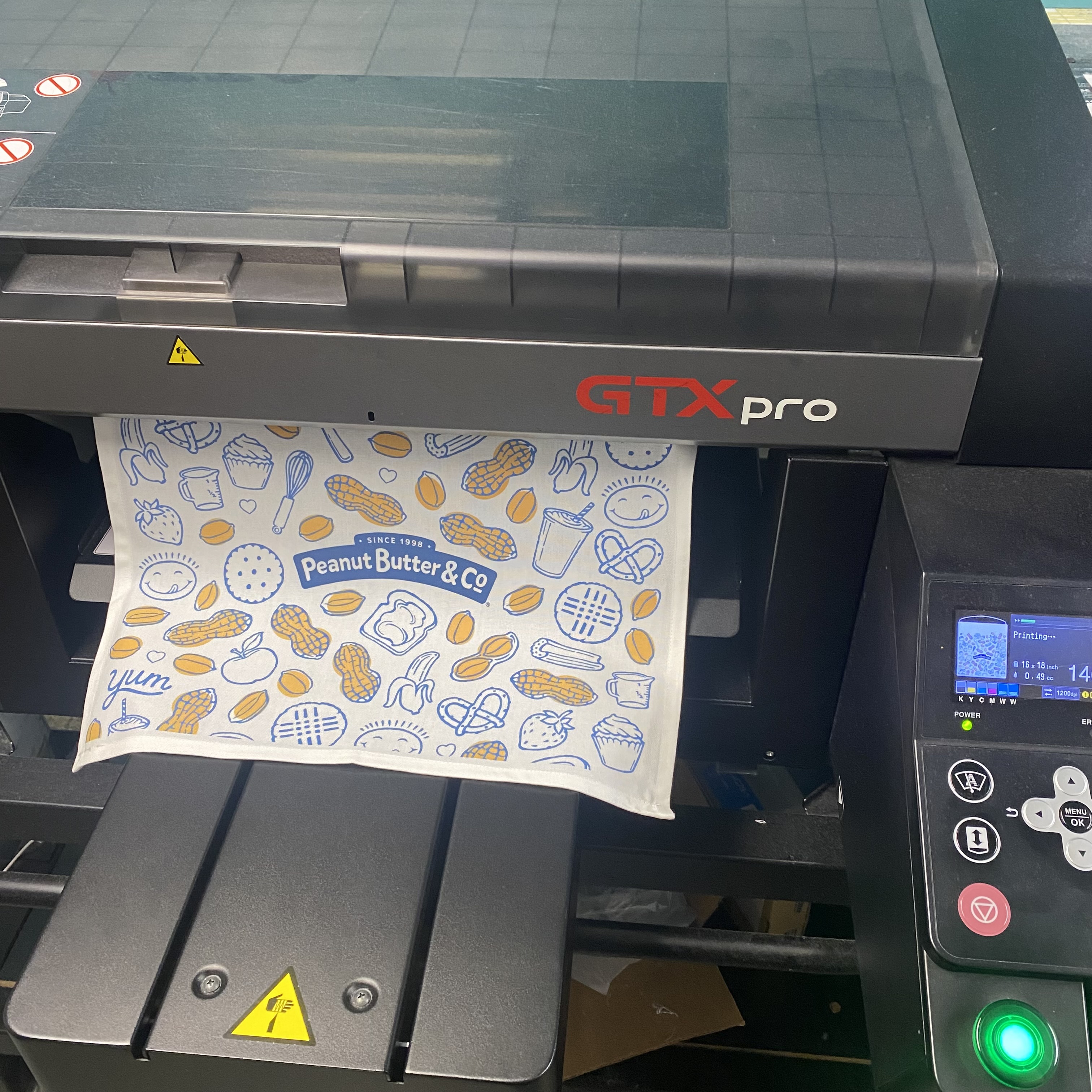
Digital textile printing, first introduced in the late 1980s, uses inkjet technology to print designs directly onto fabric through a process known as Direct-to-Garment (DTG). DTG is often faster and more precise than traditional screen printing.
IMG_8722-e1777871533544

Key Benefits of Digital Textile Printing

  • Higher Quality: Unlike screen printing, where fine details can sometimes soften or blur, digital printing produces high-resolution images with crisp edges and vibrant color. This makes it a strong option for businesses that want clean, professional-looking product.
  • Faster Turnaround: Screen printing involves multiple setup steps before printing can begin. DTG requires fewer steps, making production quicker and allowing finished garments to be delivered faster and at a lower cost.
  • Reduced Waste: Because DTG prints directly onto the garment, it eliminates many of the consumables used in screen printing. This reduces material waste and lowers chemical and energy use during production.
  • Cost-Effective for all Size Runs: DTG allows for smaller batch orders without the same upfront expense, making it a more affordable option for all types of custom pieces.

Our Top DTG Printing Tips:

  • 300 DPI at print size is the gold standard.
  • Avoid low-res web images (72 DPI logos will print fuzzy).

Don’t send a tiny image and ask the printer to “make it bigger.” This can erode the quality of the file. 

Typical print sizes are:

  • 12” x 12” for most tote bags
  • 8” x 12” for most tea towels

If your art has a background you don’t want printed:

  • Send a PNG with transparency
  • Or better: PSD / AI file with layers
  • Pure white backgrounds will not print and can be left in, anything not pure white may show up in printing
  • Send to us for background removal or any edits your artwork may need before ordering

DTG printers usually print from RGB data even though the printer uses CMYK inks.

  • Work in RGB color mode
  • Export in RGB if possible

Fabric absorbs ink differently than paper. Minimum line weight recommendations:

  • At least 1.5–2 pt lines
  • Tiny text should be no smaller than ~10 pt (12 pt is safer)

Anything thinner risks breaking up or fading into the fabric texture.

DTG handles gradients well, but:

  • super subtle gradients may disappear on fabric
  • very soft transparency can look “dusty” or faded

Tip: Add contrast so the design stays visible after printing.

DTG inks can’t always match screen-bright neon shades.

If your art is electric neon green/pink, expect it to print more muted.

Big heavy ink areas can feel thicker and sometimes look uneven on textured fabric.

DTG is best for:

  • illustrations
  • shading
  • photos
  • detailed artwork

If your design is mostly solid shapes, cost will be higher and a different print method may be better.

Best file formats for DTG:

  • PNG (with transparent or pure white background)
  • PSD or AI (with layers)
  • TIFF
  • PDF

Avoid:

  • JPG (unless background is needed)
  • screenshots
  • Canva exports at low resolution. If using Canva, make your artboard as larger as possible and increase the art size in it as much as you can to the edges. Save it as a 300 dpi PNG.

Although DTG printing is just as good – perhaps more detailed – than screen print, each medium has a unique quality. For this reason, samples between different printing methods or mediums should never be used to approve or compare for color or print accuracy. We always recommend getting a sample with the exact method and file you plan on using. 

Especially for:

  • Photos or highly detailed prints
  • color gradients or color matching a logo
  • vintage/distressed/shadow effects
  • tiny details such as tiny text that needs to be legible

It saves money and heartbreak. We want you to love your product!
accordion-squiggly-left-orangeaccordion-squiggly-right-green

What is DTF?

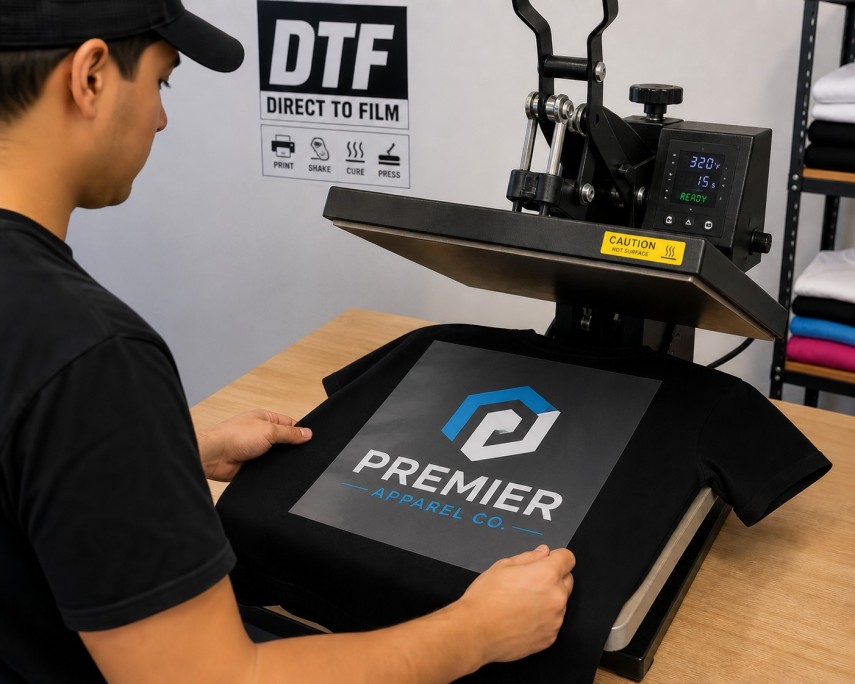
Direct-to-Film (DTF) printing is a heat transfer decoration method where a design is first printed onto a special film, coated with adhesive powder, cured, and then heat-pressed onto a garment. Unlike DTG, which prints directly into the fabric, DTF transfers the design onto the surface of the material. It works well on cotton, polyester, blends, and many performance fabrics, making it a versatile option for full-color designs on both light and dark garments. So instead of ink soaking into the shirt (like DTG), the design is transferred onto the fabric surface.
DTF-printing-example-2-e1777871975571

Benefits of DTF Printing

  • Works on Almost Any Fabric: DTF works on almost every fabric. This includes cotton, polyester, poly-blends, performance fabrics, and even nylon. DTG struggles with some of these, but DTF handles them well.
  • Bright Colors on Dark Garments: DTF typically prints with a strong white base layer, so colors pop really well on dark hoodies, black shirts, and vibrant garment colors.
  • Great Detail & Gradients: DTF can handle:
    • Fine line art
    • Shading
    • Full color designs
    • Small text (better than many expect)
  • Good Durability: When applied properly, DTF transfers hold up well through repeated washing. 

Frequent Asked Questions About DTF Printing

DTF has more of a “hand feel” similar to a screen print while our DTG has no hand feel. 

  • Small designs/text/logos feel pretty soft as it melts into the fabric fibers very well
  • Large solid prints can feel thicker / slightly rubbery to the touch

If you want the softest feel possible, DTG wins on light garments.
  • PNG with transparent background is perfect
  • 300 DPI at final size is recommended
  • Avoid super tiny details thinner than ~1pt
  • Bright colors and clean outlines work great
accordion-squiggly-left-orangeaccordion-squiggly-right-green

DTG vs. DTF

  • Best on 100% cotton or at least 50% or more cotton goods
  • Soft no-hand feel (on light garments)
  • Waterbased inks that soak into the fabric
  • Great durability but may fade after many washings (rated 50+ washings)
  • Good on poly & blends
  • More vibrant on dark garments
  • Slightly heavier hand feel but still soft– similar to a screen print
  • Great durability but may crack/fade after many washings (rated 50-100 washings)
tab-squiggly-greentab-squiggly-purple